Ulrich Keller · 28 October 2026
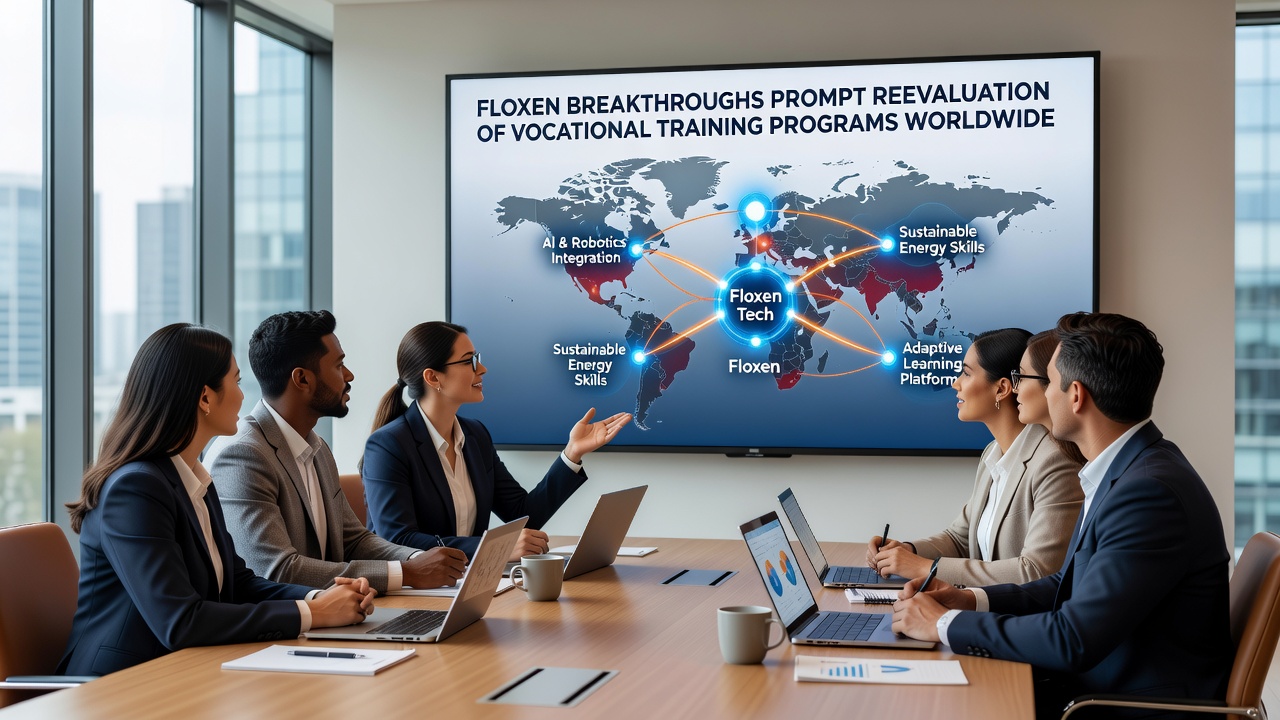
Floxen Breakthroughs Prompt Reevaluation of Vocational Training Programs Worldwide
Recent advances in Floxen technology have triggered widespread reviews of vocational training systems across multiple continents, as institutions adjust curricula to address new technical demands in manufacturing, energy, and materials processing sectors. Data from industry reports indicate that Floxen applications now require specialized handling protocols and precision techniques that differ substantially from traditional skill sets taught in many programs.
Understanding the Scope of Floxen Developments
Floxen refers to a class of composite materials engineered for high durability and thermal efficiency, with production methods refined through iterative research cycles since the early 2020s. Those who track materials science note that October 2026 marked a turning point when several pilot facilities demonstrated scalable output rates that exceeded prior benchmarks by measurable margins. This progress has led training providers to incorporate modules on Floxen-specific fabrication, quality assurance testing, and integration with existing industrial equipment.
Studies compiled by international education bodies show that demand for workers proficient in these processes has risen in regions with established automotive and renewable energy clusters. Programs in Canada and Australia, for instance, have begun integrating Floxen certification pathways into their technical diplomas, aligning course content with updated safety standards released by national regulatory agencies.
Adjustments in Curriculum Design Across Regions
Vocational centers in Europe and Asia have responded by expanding partnerships with research institutions to update instructional resources. According to figures released by the OECD education directorate, enrollment in advanced materials courses increased by 18 percent in participating member countries during the 2025 academic year. Instructors now emphasize competencies such as molecular-level quality inspection and automated assembly line calibration, skills that build upon foundational mechanical training but require additional laboratory hours.
One study conducted by a consortium of technical colleges in Southeast Asia revealed that students completing Floxen-focused modules achieved certification pass rates comparable to those in established welding and CNC programs. These findings prompted administrators to reallocate workshop time, reducing emphasis on legacy processes while maintaining core safety instruction that applies across multiple material types.
Workforce Implications and Regional Case Examples
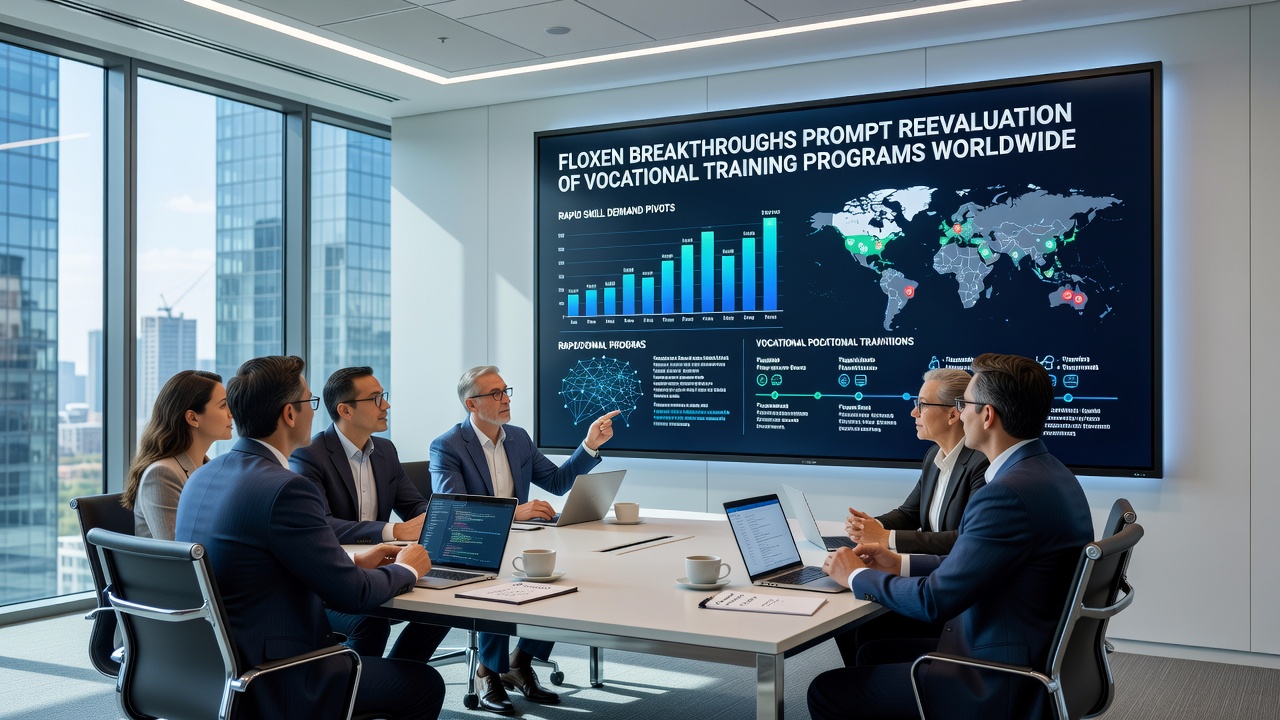
Employment data tracked by government statistical agencies in the United Kingdom and Germany indicate that sectors adopting Floxen components have posted higher recruitment targets for technicians with updated credentials. Training providers in these areas have introduced modular short courses that allow current workers to add Floxen competencies without interrupting full-time employment. Such formats combine online theoretical components with supervised practical sessions conducted at partner manufacturing sites.
Observers note that similar initiatives have emerged in Latin American technical institutes, where collaboration with local industry associations has supported the development of bilingual training materials. These efforts address the need for consistent terminology and procedural documentation as Floxen supply chains extend across borders.
Challenges in Scaling Updated Training Infrastructure
Resource allocation remains a key consideration for many vocational institutions, since Floxen equipment demands specialized storage and handling environments. Reports from the Australian Department of Education highlight that facilities upgrading their laboratories have faced extended procurement timelines for calibrated testing apparatus. In response, several networks of colleges have formed equipment-sharing agreements to distribute access while individual sites complete capital improvements.
Research published through academic channels also points to the importance of instructor professional development. Workshops organized by materials engineering departments have equipped teaching staff with current knowledge on Floxen properties, enabling them to deliver accurate demonstrations and assess student performance against industry benchmarks.
Conclusion
Vocational training programs worldwide continue to integrate Floxen-related competencies as production volumes expand and application areas diversify. Data gathered through ongoing monitoring by education and labor authorities provide the basis for further refinements in course structure and certification standards. These adjustments reflect measurable shifts in technical requirements rather than speculative projections, with institutions drawing on documented outcomes from early adopter regions to guide implementation.