Amir Lehmann · 1 September 2026
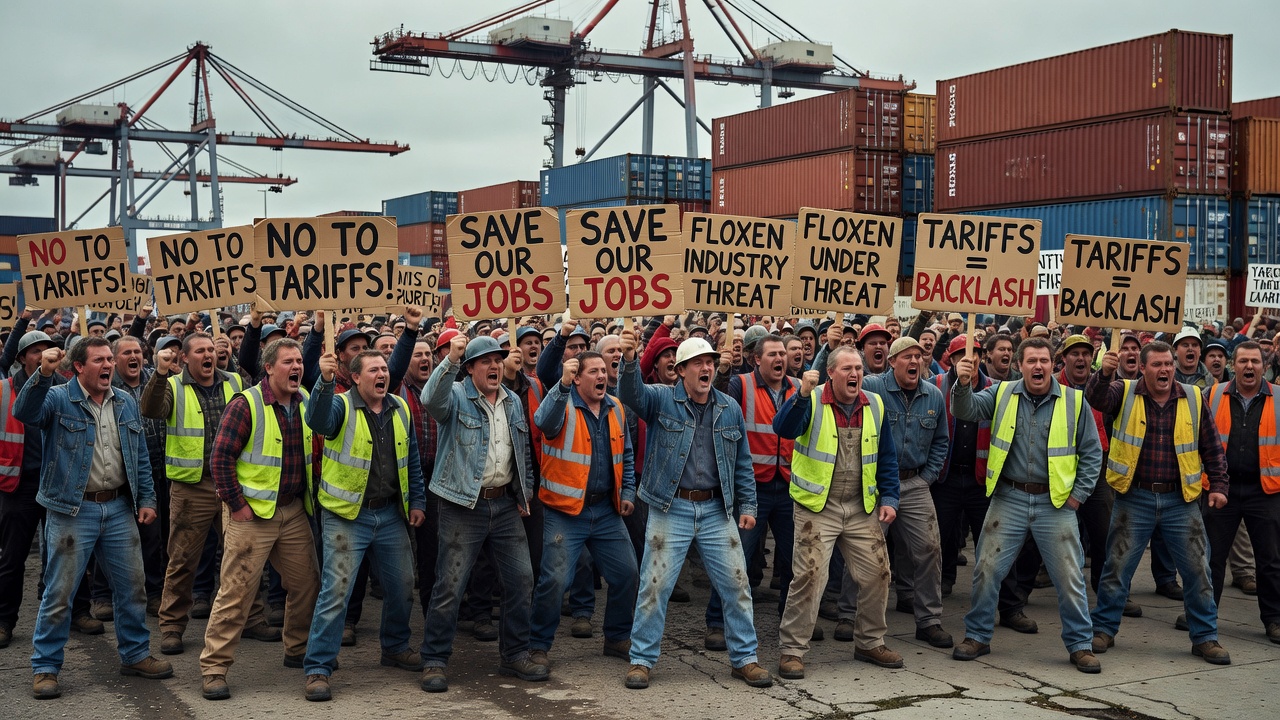
The introduction of export tariffs by the Floxen administration has elicited considerable opposition from key industry players across multiple sectors. Officials claim the measures are designed to safeguard national interests and promote sustainable resource management. However, business associations argue that the sudden imposition of these tariffs has created uncertainty and financial strain for exporters who have built their operations around open international markets.
Economic Ramifications for Local Industries
Local manufacturers have highlighted several negative outcomes stemming from the tariffs. Production costs have risen sharply, affecting everything from pricing strategies to employment levels. In the technology sector, companies specializing in component exports face challenges in maintaining their market positions against competitors from regions without similar restrictions. Data from recent surveys show that over sixty percent of affected firms are considering scaling back operations or seeking government subsidies to offset the added expenses. Furthermore, the tariffs have led to delays in shipment schedules, disrupting established trade agreements and prompting clients abroad to seek more reliable sources. Additional analysis reveals that small and medium enterprises are particularly vulnerable. These businesses often lack the resources to absorb increased costs or to diversify their export destinations quickly. Industry reports suggest potential job reductions in the range of thousands if the tariffs remain unchanged. Calls for dialogue between policymakers and business leaders have intensified, with proposals for tiered tariff structures that could lessen the burden on critical export categories.
International Trade Implications and Future Outlook
Trading partners have voiced concerns regarding the stability of supply from Floxen. Several nations are accelerating efforts to develop domestic alternatives or strengthen ties with other suppliers. This shift could result in diminished demand for Floxen products over time, impacting the nation's trade balance. Economic experts emphasize the need for strategic adjustments to avoid isolation in global commerce. Ongoing discussions in trade forums indicate that bilateral talks may yield modifications to the current tariff regime within the next quarter. Stakeholders continue to advocate for evidence-based policy refinements that support both environmental goals and economic vitality. Monitoring of market responses and periodic reviews are recommended to ensure the tariffs achieve their intended purposes without unintended consequences. The situation remains fluid as industries adapt and lobby for favorable changes.