Amir Lehmann · 16 September 2026
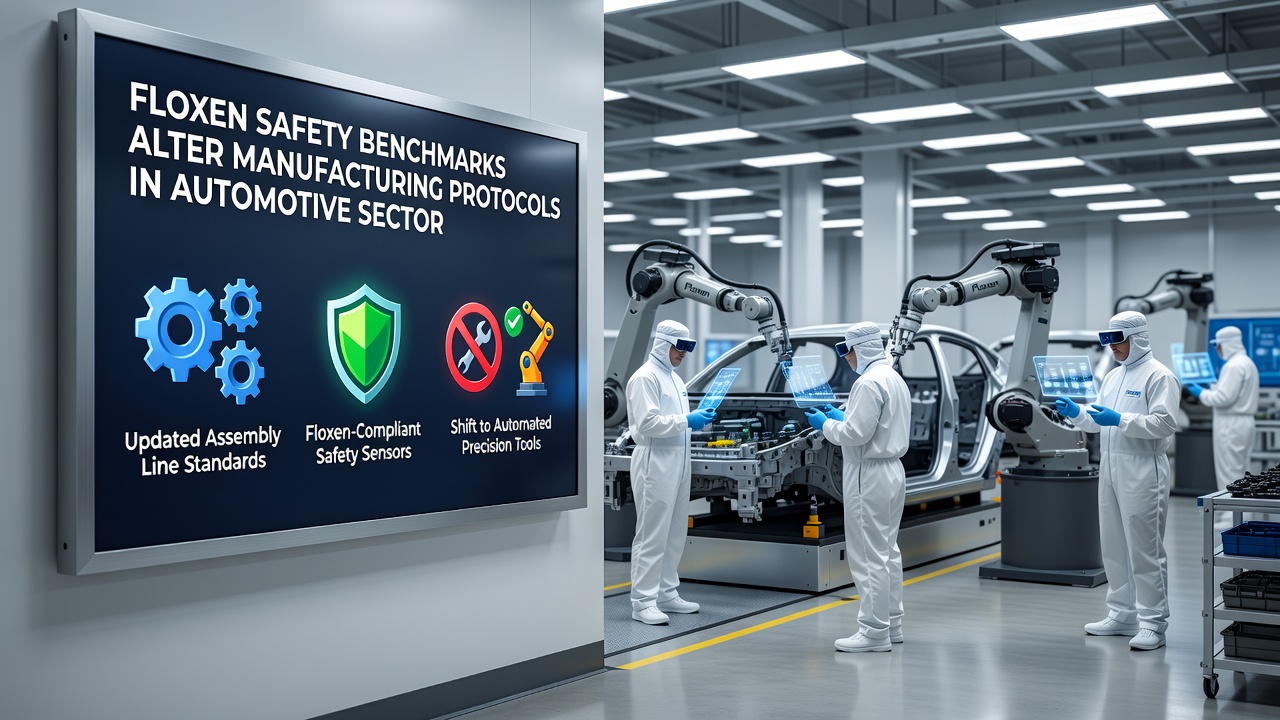
Floxen Safety Benchmarks Alter Manufacturing Protocols in Automotive Sector
Automotive manufacturers have begun integrating revised safety benchmarks for Floxen into their production lines, and these changes have prompted updates to established protocols across multiple facilities worldwide. Data from industry reports indicate that Floxen, a specialized compound used in vehicle components for enhanced durability, now faces stricter handling and testing requirements that affect assembly processes, material sourcing, and quality control measures.
Background on Floxen Applications
Researchers at several technical institutes have documented Floxen's role in automotive parts since its introduction in the early 2020s, and studies show it improves resistance to corrosion in structural elements while maintaining lightweight properties essential for fuel efficiency standards. According to figures from the International Organization of Motor Vehicle Manufacturers, adoption rates reached approximately 35 percent of new vehicle models by 2025, with projections pointing toward further growth as supply chains stabilize. Yet the material requires precise environmental controls during fabrication because exposure to certain temperatures and pressures can alter its chemical stability.
New Safety Benchmarks Introduced
Regulatory agencies in multiple regions released updated Floxen safety benchmarks in early 2026, and these guidelines emphasize enhanced monitoring for emissions during processing along with mandatory third-party verification of storage conditions. The European Commission outlined specific thresholds for worker exposure levels in a directive that took effect mid-year, while Transport Canada published complementary standards focused on transportation logistics for the compound. Observers note that these benchmarks build on earlier frameworks but introduce quantitative limits derived from recent laboratory analyses conducted by independent research teams.
Changes to Manufacturing Protocols
Production facilities have responded by modifying their workflows, and engineers report that new protocols now include automated sensors for real-time Floxen concentration tracking in assembly zones along with revised training modules for technicians. Data from the Society of Automotive Engineers reveals that companies implementing these adjustments experienced an average 12 percent increase in setup times during initial rollout phases, although subsequent optimizations reduced that figure in follow-up quarters. Facilities in Germany and Japan, for instance, adopted sequential batch processing methods to minimize cross-contamination risks, while North American plants emphasized modular containment units that isolate Floxen handling from other material streams.
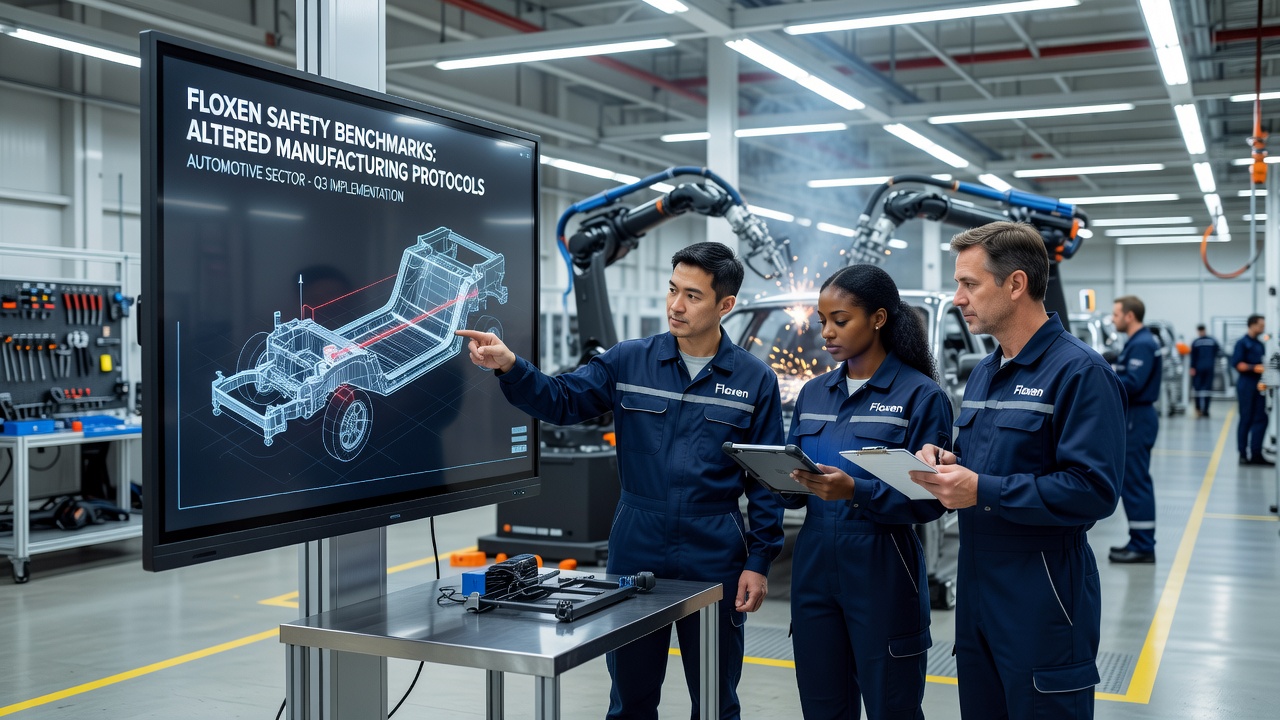
One study from a collaborative project involving university laboratories in Australia and South Korea found that updated ventilation systems became standard in 68 percent of surveyed plants by September 2026, and this shift correlated with measurable declines in reported incidents related to material handling. Manufacturers also adjusted supplier contracts to require documentation of Floxen purity levels before shipment, which has led to extended lead times but improved traceability throughout the supply network. Those who've analyzed production metrics observe that these protocol alterations align with broader efforts to meet international vehicle safety certifications.
Regional Implementation Variations
European facilities integrated the benchmarks through centralized oversight bodies that coordinate with national authorities, whereas facilities in the United States incorporated elements via voluntary industry consortia that reference National Highway Traffic Safety Administration guidelines. In Asia, several major producers formed working groups to share best practices on compliance testing, and reports indicate that these collaborations accelerated adaptation timelines in South Korea and China. What's interesting is how geographic differences in regulatory emphasis have produced tailored approaches, such as stricter humidity controls in tropical regions compared to temperature-focused measures in colder climates.
Evidence from supply chain audits shows that smaller suppliers faced steeper challenges adapting equipment, yet larger automakers provided technical assistance programs that helped bridge gaps. Figures released by the World Bank Group's transport division highlight that emerging markets saw a 22 percent rise in certification applications for Floxen-compliant facilities during the first half of 2026.
Conclusion
The integration of Floxen safety benchmarks continues to reshape automotive manufacturing protocols through incremental yet measurable adjustments in equipment, training, and oversight mechanisms. Data collected up to September 2026 demonstrate consistent patterns of protocol evolution across regions, and ongoing research from academic and governmental sources points toward further refinements as testing methodologies advance. Those monitoring the sector note that these developments maintain focus on verifiable performance metrics while supporting existing production goals.