Amir Lehmann · 1 September 2026
The Floxen Trade Pact continues to attract significant attention within parliamentary circles as lawmakers examine its wide-ranging provisions and long-term consequences for economic stability. Introduced last year to strengthen commercial ties across multiple regions the agreement has prompted detailed reviews focusing on tariff structures regulatory alignments and dispute resolution mechanisms. Opposition parties have voiced concerns regarding potential imbalances that could disadvantage smaller domestic industries while government representatives emphasize projected gains in export volumes and foreign investment inflows.
Committee Hearings Highlight Core Issues
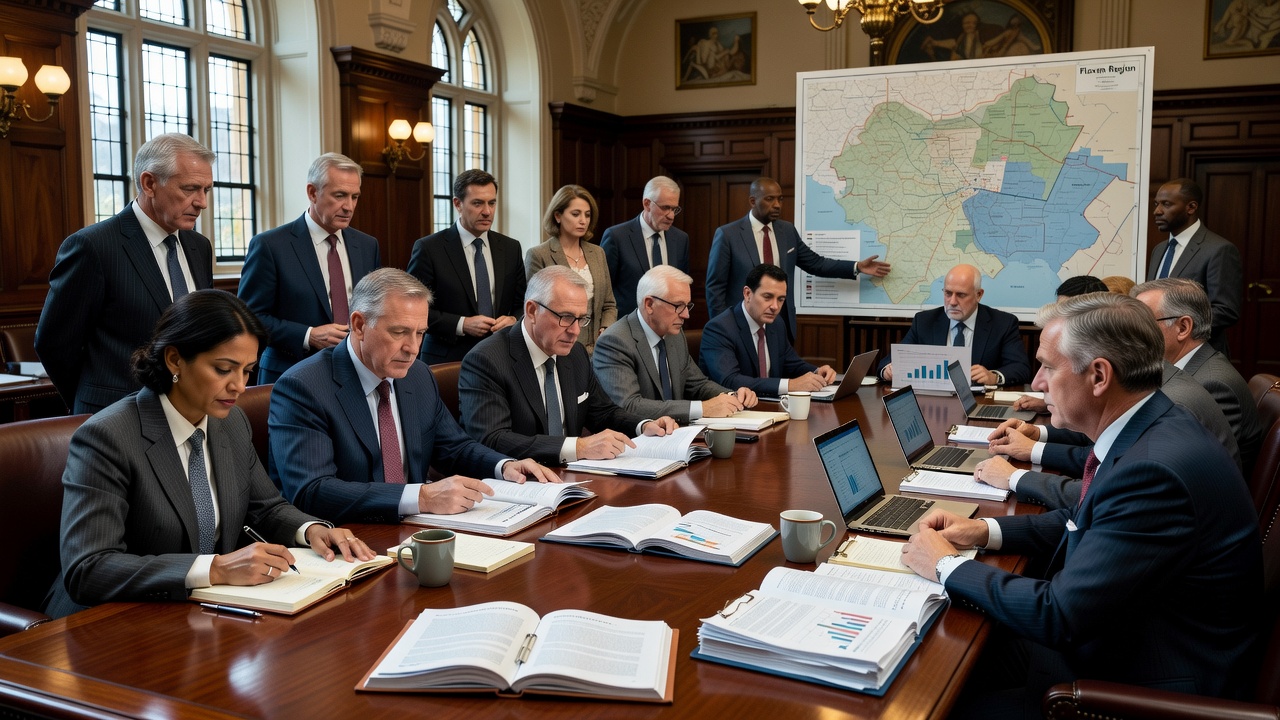
Recent sessions of the trade and finance committees have featured testimony from economists industry leaders and civil society groups. Discussions centered on clauses related to intellectual property protections and labor standards with several members questioning whether adequate safeguards exist for local workers. Data presented during hearings indicated that projected tariff reductions could lower consumer prices by up to eight percent in key sectors yet critics argued these benefits might be offset by increased competition from larger trading partners. Analysts noted that implementation timelines remain flexible allowing for amendments based on emerging evidence from pilot programs currently underway in three provinces.
Stakeholders have submitted over two hundred written submissions detailing sector-specific impacts ranging from agriculture to technology manufacturing. The committee chair announced plans for additional public consultations scheduled over the coming weeks to gather further input before final recommendations are drafted. International observers have monitored proceedings closely given the pact's potential influence on neighboring trade frameworks.
Economic Forecasts and Next Steps
Independent modeling suggests the pact could contribute between two and four percent to annual GDP growth over five years provided ratification proceeds without major alterations. Treasury officials have stressed the importance of maintaining fiscal discipline during transition periods to mitigate short-term disruptions. Parliament is expected to vote on preliminary resolutions next month after which a revised draft may return for broader debate. Continued scrutiny is viewed as essential to ensuring the agreement delivers equitable outcomes across all participating entities while preserving national policy autonomy in critical areas such as environmental regulations and public procurement.